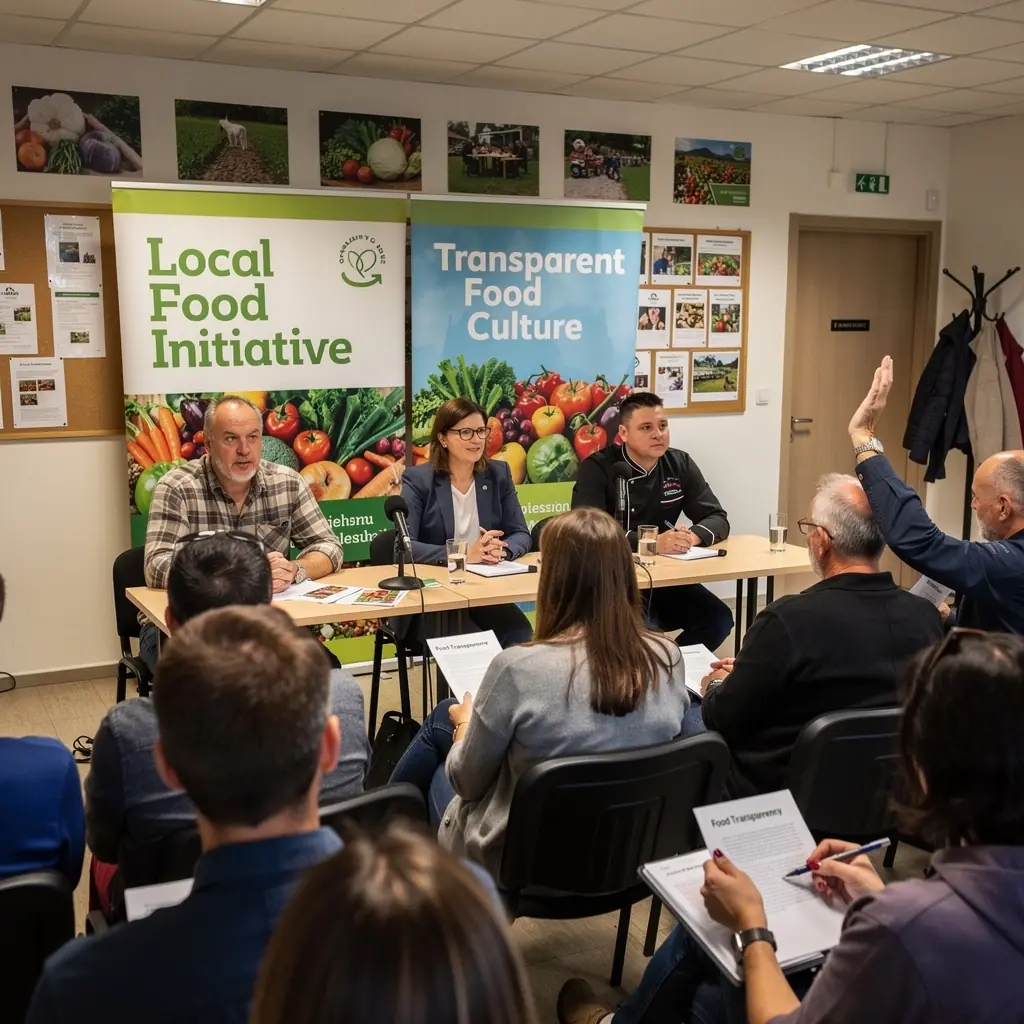
Food Literacy: Educating About Responsible Eating
In our ever-evolving food landscape, understanding the principles of responsible eating is crucial. This article explores food literacy, focusing on how education can empower individuals to make informed choices about the food they consume.
Understanding Food Literacy
Food literacy encompasses knowledge about food systems, including where food comes from, how it is produced, and its impact on health and the environment. Experts recommend fostering a deeper understanding of these concepts to promote sustainable eating practices. Research shows that individuals who are well-informed about food sourcing practices tend to make healthier and more ethical food choices.

"Understanding food systems is pivotal in making responsible food choices, as it connects us to our communities and the environment."
The Importance of Local Food Transparency
Food transparency is a growing concern, particularly in Slovenia, where consumers are becoming more aware of the origins of their food. There are several key aspects to consider:
- Farm-to-Table Movement: This movement emphasizes the direct connection between local farms and consumers, promoting the use of fresh, local ingredients.
- Community-Supported Agriculture (CSA): Engaging with local farms through CSA initiatives fosters a direct relationship between consumers and producers, enhancing food accountability.
- Awareness of Food Policies: Knowledge about local food policies can empower citizens to advocate for better practices that support community health and sustainability.
Practical Steps Towards Responsible Eating
To enhance food literacy and promote responsible eating habits, consider the following actionable steps:
- Participate in local food events to learn about seasonal eating and discover neighborhood dining experiences.
- Engage with culinary community notes that discuss food quality insights and ethical food blogging practices.
- Utilize food education resources available through local organizations to stay informed about organic food trends and sustainable practices.
Conclusion
Food literacy is an essential component of informed eating. By embracing local food transparency and engaging with our communities, we can make responsible food choices that reflect our values. Empowering ourselves with knowledge about food sourcing and quality not only enriches our own lives but also contributes to the well-being of our neighborhoods. Start your journey towards better food literacy today and join the conversation about food ethics and sustainability.