Understanding Food Sourcing Practices in Slovenia
Exploring food sourcing practices in Slovenia sheds light on the importance of food transparency and how local communities can benefit from ethical food choices. This article will examine various aspects of food sourcing within Slovenia, focusing on how these practices contribute to a richer lifestyle and more sustainable eating habits.
What is Food Sourcing?
Food sourcing refers to the process of finding, procuring, and utilizing ingredients from local producers. This involves understanding the journey from farm to table, ensuring quality and sustainability throughout the food system. According to research, sourcing locally can enhance food quality and support community food networks.
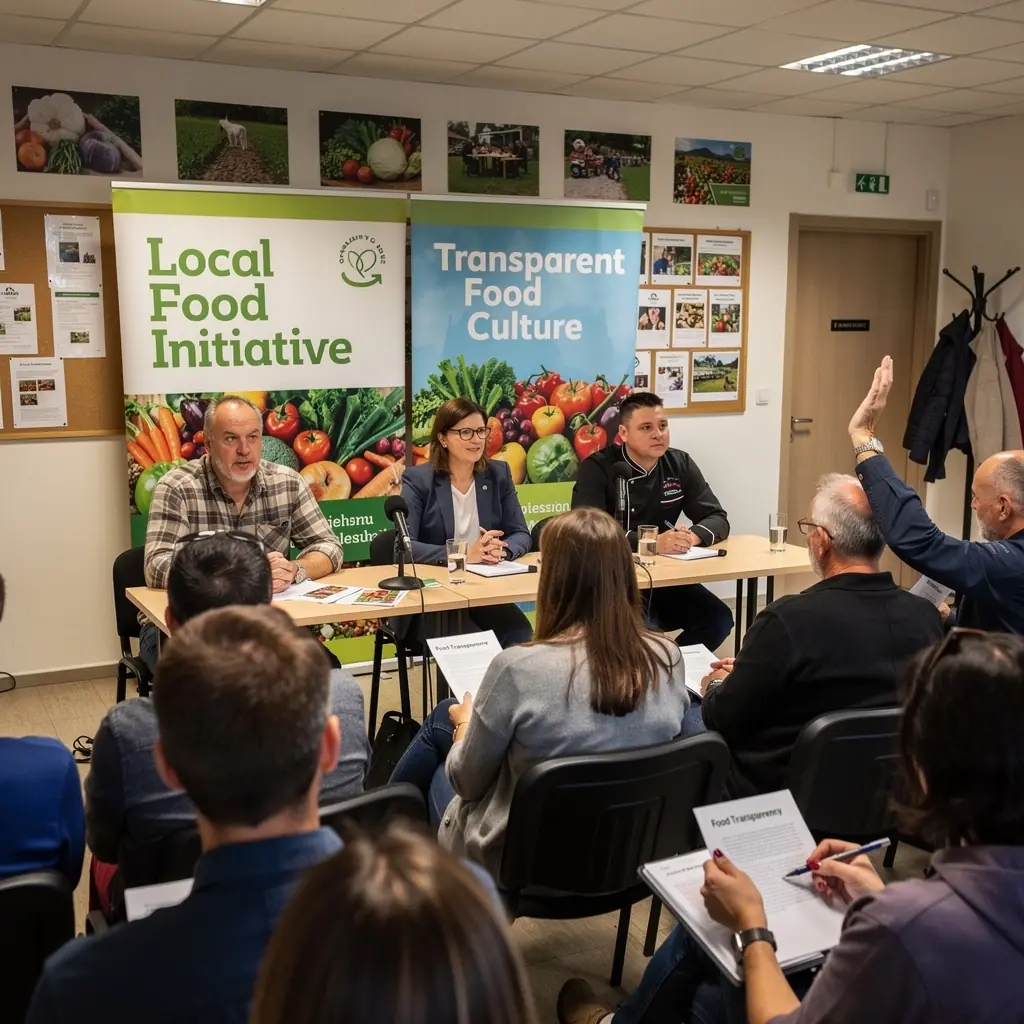
"Local sourcing not only boosts the economy but also promotes transparency in food systems." – Food Advocacy Expert
The Importance of Local Ingredients
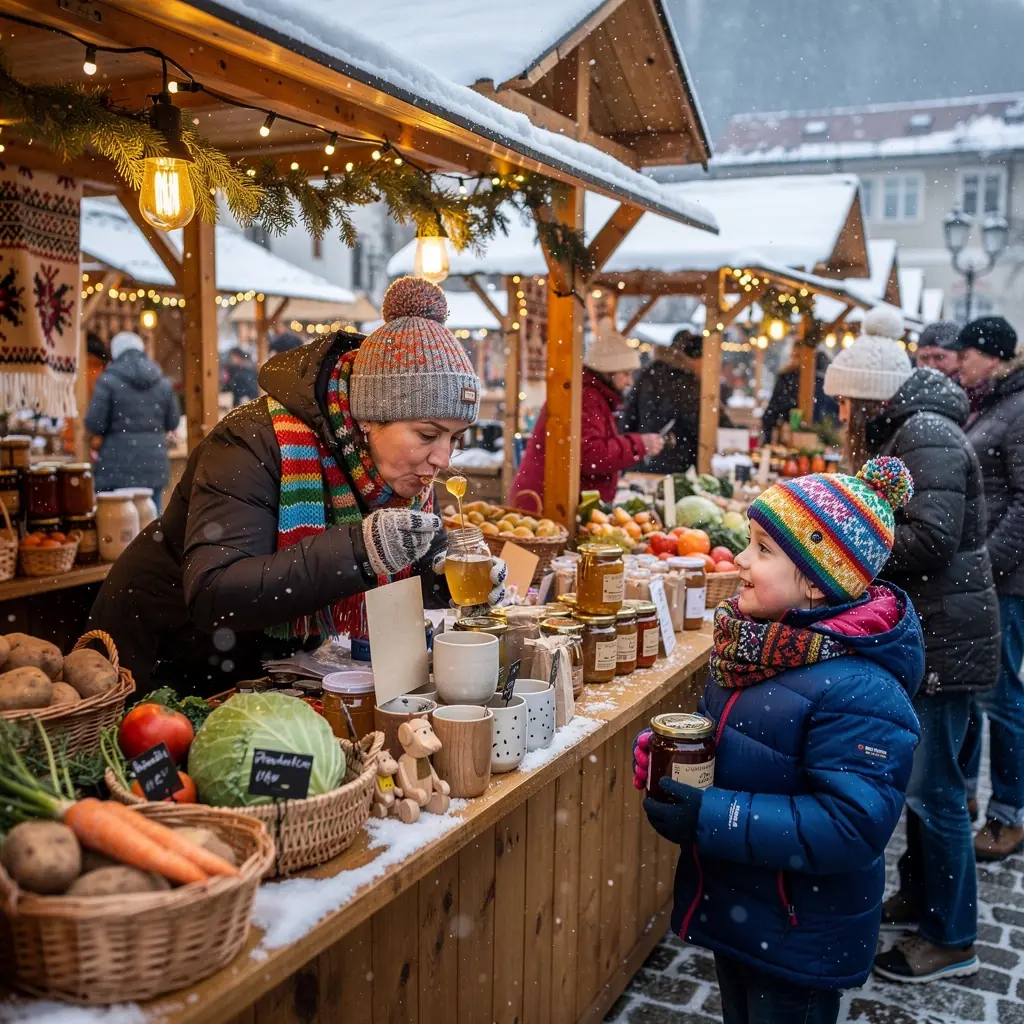
Utilizing local ingredients supports the farm-to-table movement, which emphasizes the use of seasonal produce to ensure freshness. This practice is prevalent in Slovenia, where local farms offer a variety of organic products. Many users report that cooking with local produce not only enhances flavor but also builds a connection to the community.
Exploring Food Transparency and Ethics
Food transparency is vital for making responsible food choices. It involves understanding where food comes from, how it is produced, and the ethical implications associated with its sourcing. Experts recommend that consumers educate themselves on food ethics to make informed decisions about their diets.
Benefits of Transparent Food Practices
- Enhanced Quality: Local food typically has a shorter supply chain, which can lead to fresher products.
- Community Engagement: Supporting local farmers fosters a stronger neighborhood food culture.
- Reduced Environmental Impact: Sustainable farming practices often result in lower carbon footprints.
Cultural Food Discussions
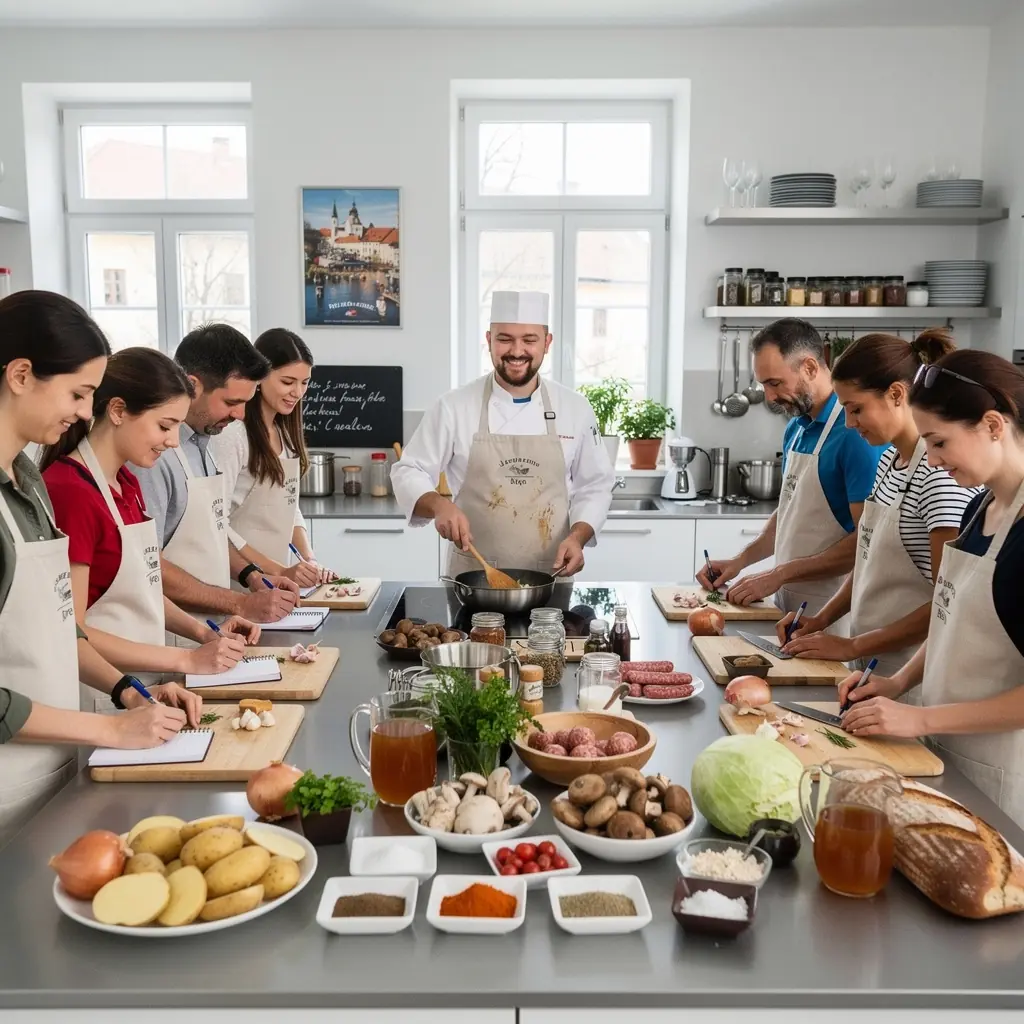
Slovenia has a rich culinary heritage that reflects its diverse regional cuisine. Engaging with local dining experiences allows individuals to understand food culture better. The rise of community-supported agriculture (CSA) programs has also played a significant role in maintaining local traditions and practices.
Mindful Eating and Food Education
Prioritizing mindful eating habits and understanding where food comes from can significantly impact personal health and community welfare. This approach encourages consumers to consider the broader implications of their food choices, leading to increased food literacy and awareness of food policies.
Conclusion
Understanding food sourcing practices in Slovenia not only nurtures a connection to local ingredients but also promotes food system transparency. By engaging in community food discussions and supporting local initiatives, individuals can contribute to a more sustainable and ethical food landscape. The path to responsible eating is paved with knowledge, awareness, and a commitment to making thoughtful food choices.