The Role of Local Ingredients in Slovenian Cuisine
Slovenian cuisine is a rich tapestry woven from local ingredients, traditional recipes, and cultural heritage. In recent years, the focus on food transparency and sustainable eating practices has brought renewed attention to the importance of local sourcing in culinary traditions. This article explores the significance of local ingredients in shaping the identity of Slovenian food, highlighting insights from the community and advocating for responsible food choices.
Understanding the Importance of Local Ingredients
Using local ingredients not only supports the economy but also enhances the quality of food. According to research, meals prepared with local produce often have higher nutritional value due to shorter travel times from farm to table. Moreover, local ingredients tend to be fresher and more flavorful, making them a preferred choice for many chefs in Slovenia.

"Culinary experts suggest that using seasonal and local ingredients can significantly elevate dining experiences by offering authentic flavors that reflect the region's character."
Seasonal Eating and Food Quality Insights
Seasonal eating is a critical aspect of sustainable eating practices. By consuming fruits and vegetables when they are in season, individuals can enjoy higher quality produce while reducing their carbon footprint. Many local farmers and community-supported agriculture initiatives are dedicated to promoting this practice, encouraging the population to embrace neighborhood food culture.
- Support Local Farmers: Engaging with community-supported agriculture (CSA) allows consumers to purchase directly from local farms, ensuring that they receive fresh, organic produce.
- Explore Neighborhood Restaurants: Dining at local establishments that prioritize seasonal menus can enhance the connection between the food and its origins.
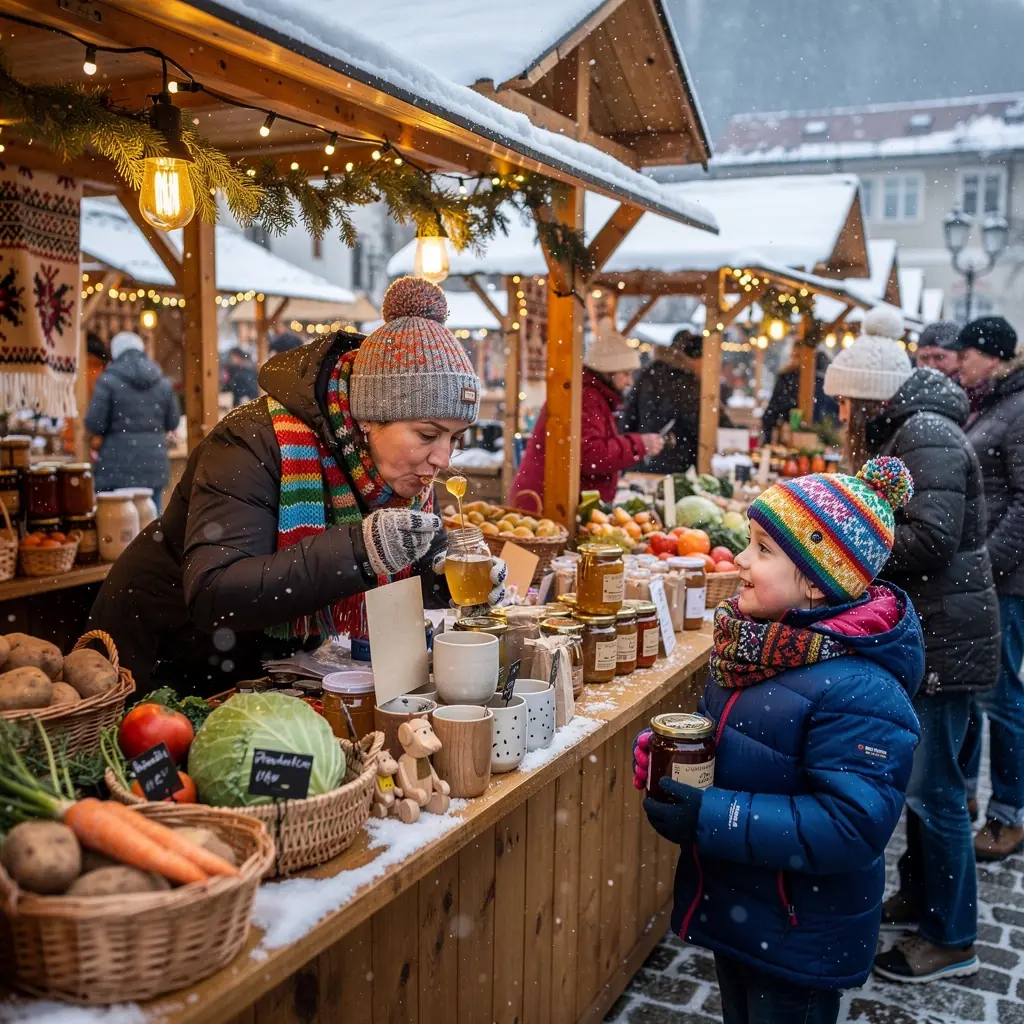
- Participate in Local Food Events: Attending farmers' markets and food festivals can foster community engagement and awareness around food sourcing practices.
Food and Cultural Discussions
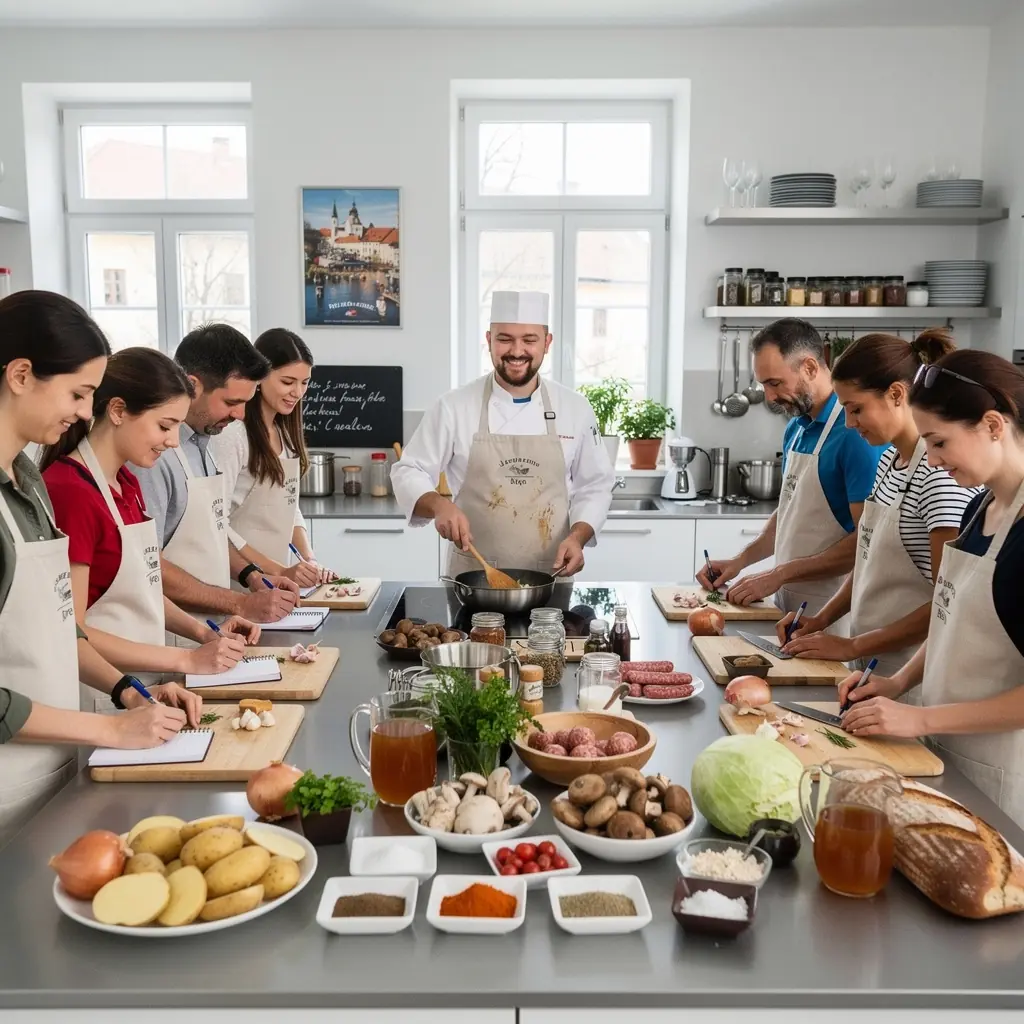
In Slovenia, the culinary community actively engages in discussions about food ethics and sustainability. Local dining experiences often highlight the importance of transparency in sourcing and the ethical implications of food choices. Many chefs are now advocating for food accountability, emphasizing the need for consumers to be aware of how their food is produced.
Challenges and Limitations
While the benefits of local ingredients are significant, there are challenges to consider. Seasonal produce availability can be limited, requiring consumers to adapt their cooking and eating habits. Additionally, the commitment to supporting local farms often involves a willingness to explore new foods and flavors, which may require a learning curve.
Conclusion
Embracing local ingredients plays a crucial role in fostering a sustainable food culture in Slovenia. As the community continues to advocate for food transparency and ethical eating practices, individuals can contribute to this movement by making informed choices about their food sources. By participating in local dining experiences and supporting neighborhood food networks, we can promote a holistic eating lifestyle that celebrates the richness of Slovenian cuisine while ensuring a responsible food system.