Food Policy Awareness: Navigating Local Regulations
Understanding food policy is essential for anyone engaged in the local food scene. From farm-to-table restaurants to community-supported agriculture, navigating local regulations can enhance food transparency and sustainability in Slovenia.
Understanding Food Policy and Regulations
Food policy encompasses the laws and regulations that govern food production, distribution, and consumption. In Slovenia, various regulatory bodies oversee food safety, quality, and ethical practices. Engaging with these regulations not only fosters food accountability but also supports local dining experiences.
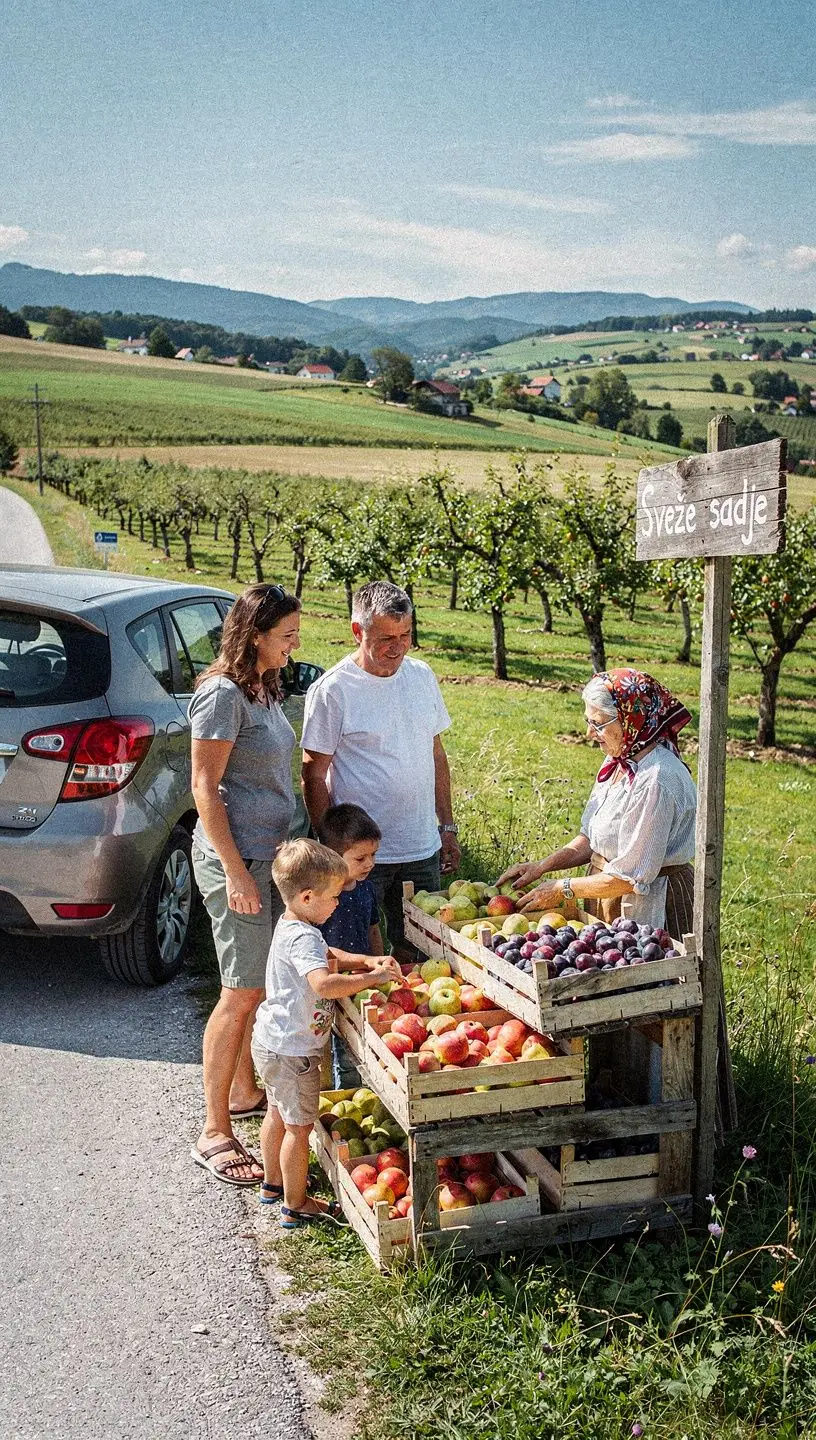
"Food policy impacts not just what we eat, but how we source it, influencing everything from local ingredients to ethical food blogging." - Local Food Advocate
The Importance of Food Transparency
Food transparency is crucial for informed consumer choices. According to research, transparency in sourcing can significantly enhance consumer trust in local producers and dining establishments. This trust often correlates with a greater willingness to invest in sustainable eating practices.
Key Aspects of Food Transparency
- Traceability: Knowing where food comes from can influence purchasing decisions, particularly in community food networks.
- Labeling: Clear labeling of organic food trends and sourcing practices helps consumers make responsible food choices.
- Community Engagement: Building relationships with local farmers and producers can improve food literacy and culinary community notes.
How to Navigate Local Regulations
Engaging with local food policies can seem daunting, but there are several steps you can take to make the process easier:
- Research Local Regulations: Familiarize yourself with local food laws and guidelines. This may involve contacting local agricultural boards or exploring government websites.
- Attend Local Food Events: Participating in community-supported agriculture events or local food festivals can provide insights into seasonal eating and responsible sourcing.
- Engage with the Community: Joining forums and discussions focused on food ethics can help you connect with like-minded individuals interested in food policy awareness.
Challenges and Considerations
While navigating local food regulations, it is essential to acknowledge potential challenges:
- Complex Regulations: Different regions may have varying regulations, which can complicate sourcing practices.
- Time Commitment: Engaging thoroughly with food policy may take time and effort, requiring ongoing education and involvement.
- Balancing Ethics and Economics: Finding a balance between ethical food practices and affordability can be challenging for both consumers and producers.
Conclusion
Food policy awareness is vital for anyone invested in the local food system. By understanding regulations and advocating for transparency, you can make informed choices that benefit your community and contribute to a more sustainable food environment. Engaging in local food discussions fosters a rich neighborhood food culture that reflects Slovenia’s diverse culinary heritage.